Nearly one in four households in Colombia consists of one parent living with children. Behind that figure are families balancing work, school, household expenses, and everyday care. When a child has a disability or an ongoing health condition, maintaining that balance calls for additional time, resources, and support.
At Steps of Hope, we encounter families for whom accessing treatment means much more than securing an appointment. It also means finding the time, transportation, and support to get there and continue care at home.
What the Numbers Tell Us
DANE's 2025 National Quality of Life Survey puts single-parent households at 24.3% of all Colombian households, up from 22.0% in 2019. This category describes a father or mother living with children of any age. Each family's support network can include relatives or a parent living elsewhere. DANE, ECV 2025
The figures show how common this family structure is. Families' financial circumstances and support networks vary. For those balancing a modest income with a child's additional care needs, practical assistance can help make treatment part of a sustainable daily routine.
When Care Takes More Time and Resources
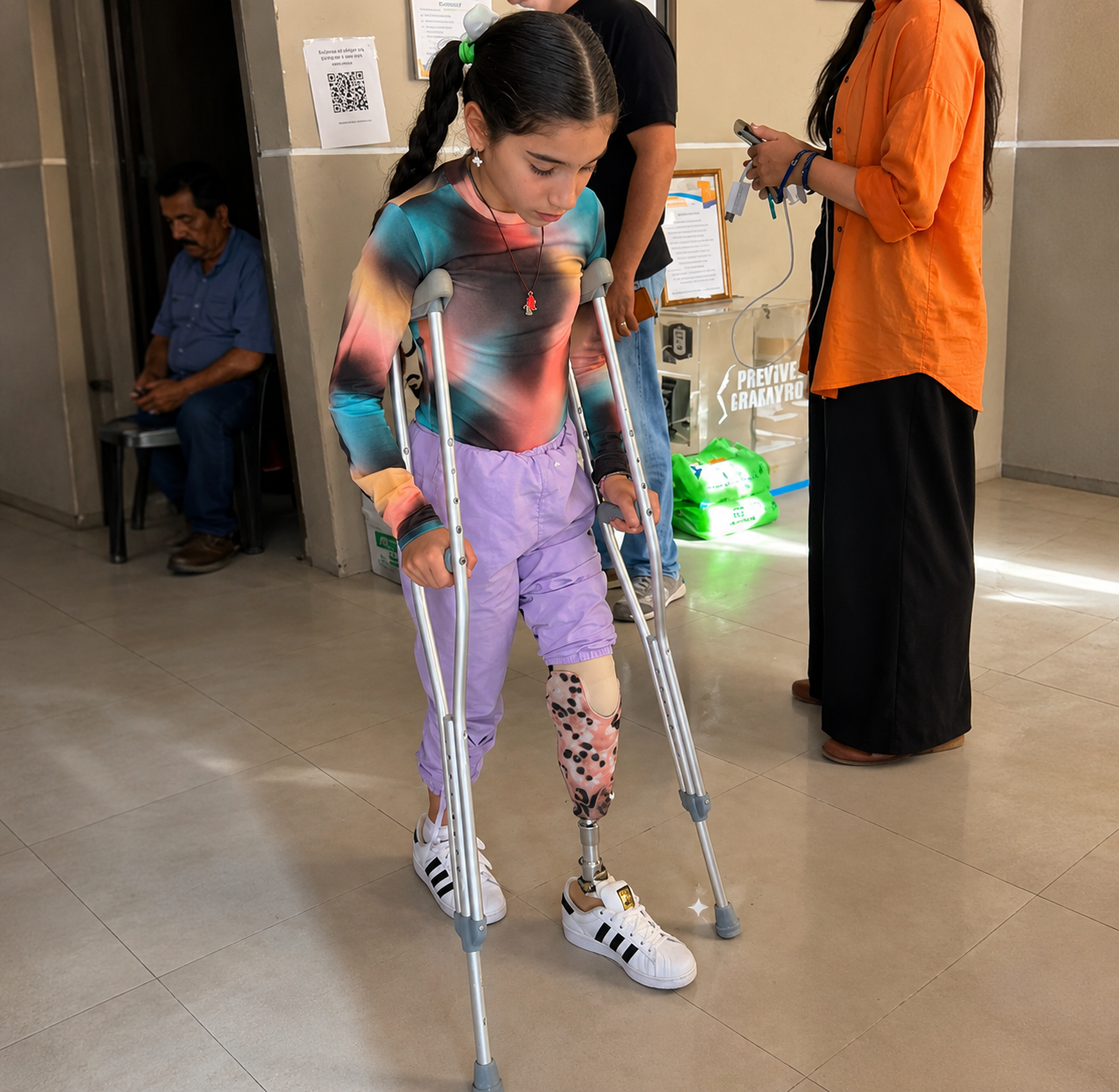
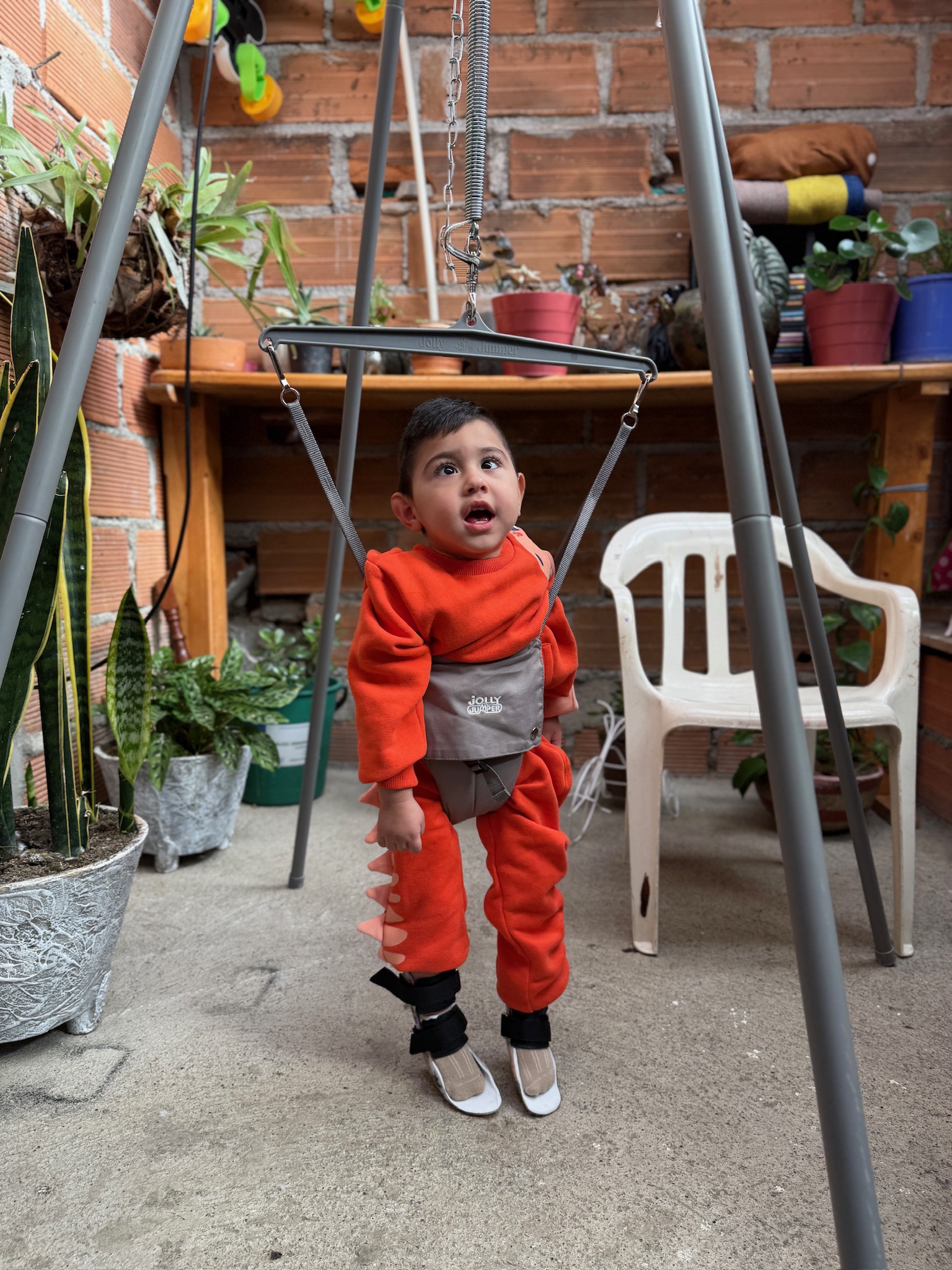
For children with disabilities, support may include rehabilitation, assistive equipment, accessible transport, and help with daily activities. Children with ongoing health problems may need repeated appointments, medication, or monitoring at home. Needs vary, but care often extends well beyond the clinic.
UNICEF's regional review, which includes a Colombia case study, calls for broader access to quality social protection for children with disabilities and stronger coordination across services. Its findings apply to disability support across family structures. UNICEF and Inter-American Dialogue, 2023
Accompanying a child to treatment requires time within a parent's working day, along with money for transport and meals during hospital visits. Flexible work arrangements, practical assistance, and reliable transport can help families keep appointments and maintain care routines while managing household expenses.
Supporting Children Means Supporting Their Families
UNICEF Colombia recommends connecting care and support services through coordinated local systems, so families can reach the help they need. That approach recognizes that access depends on how services fit into everyday life. UNICEF Colombia
For Steps of Hope, this means listening to families and helping children access medical care suited to their needs. Reliable support can give parents more room to manage treatment alongside work and home responsibilities.
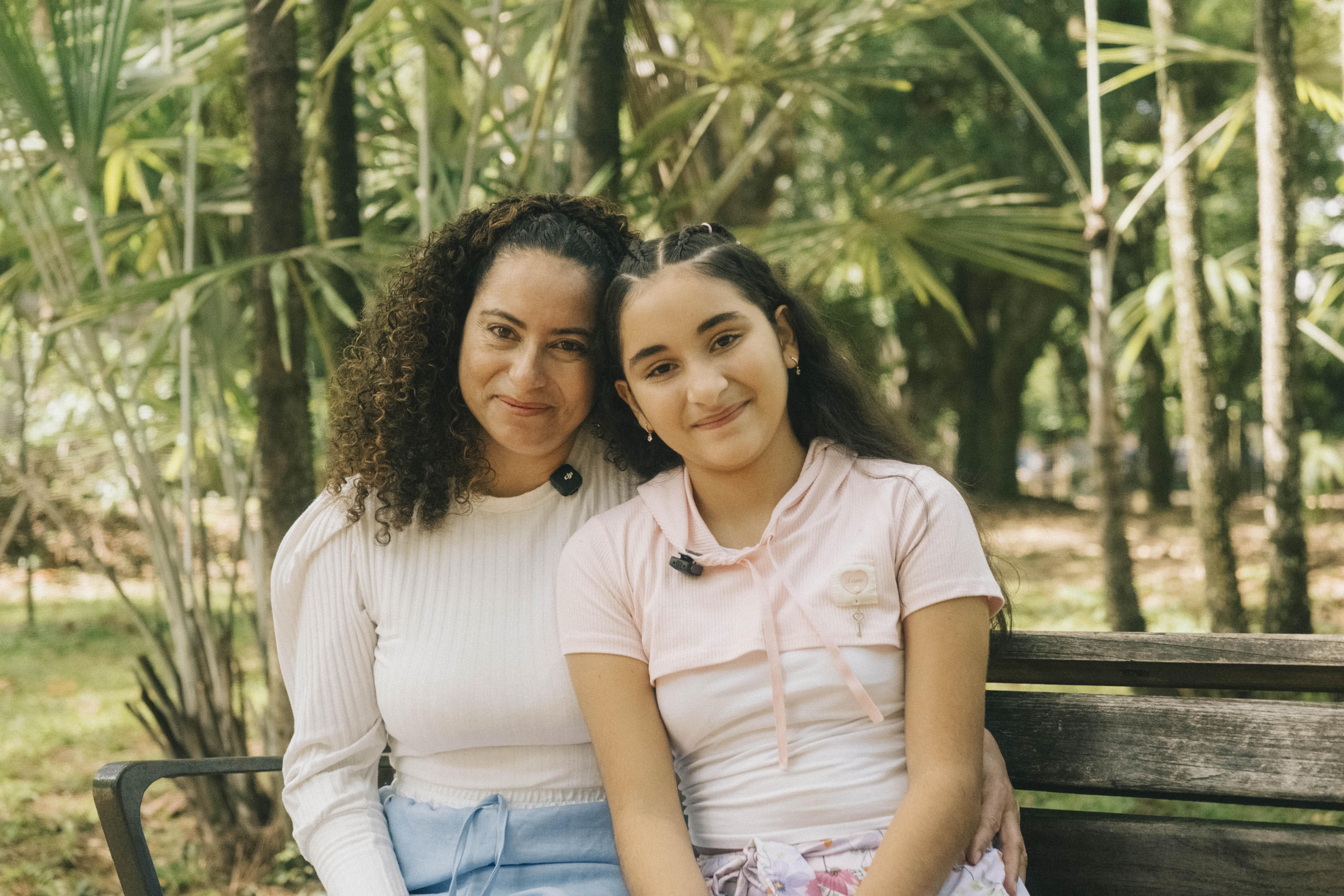
Many of the parents we meet are single mothers. Nationally, ICBF's analysis of 2024 data found that 85.1% of single-parent households were headed by women. This makes their experience an essential part of the conversation, while the need for dependable support extends to every family caring for a child. ICBF
Help us stand beside these families. Donate to Steps of Hope.